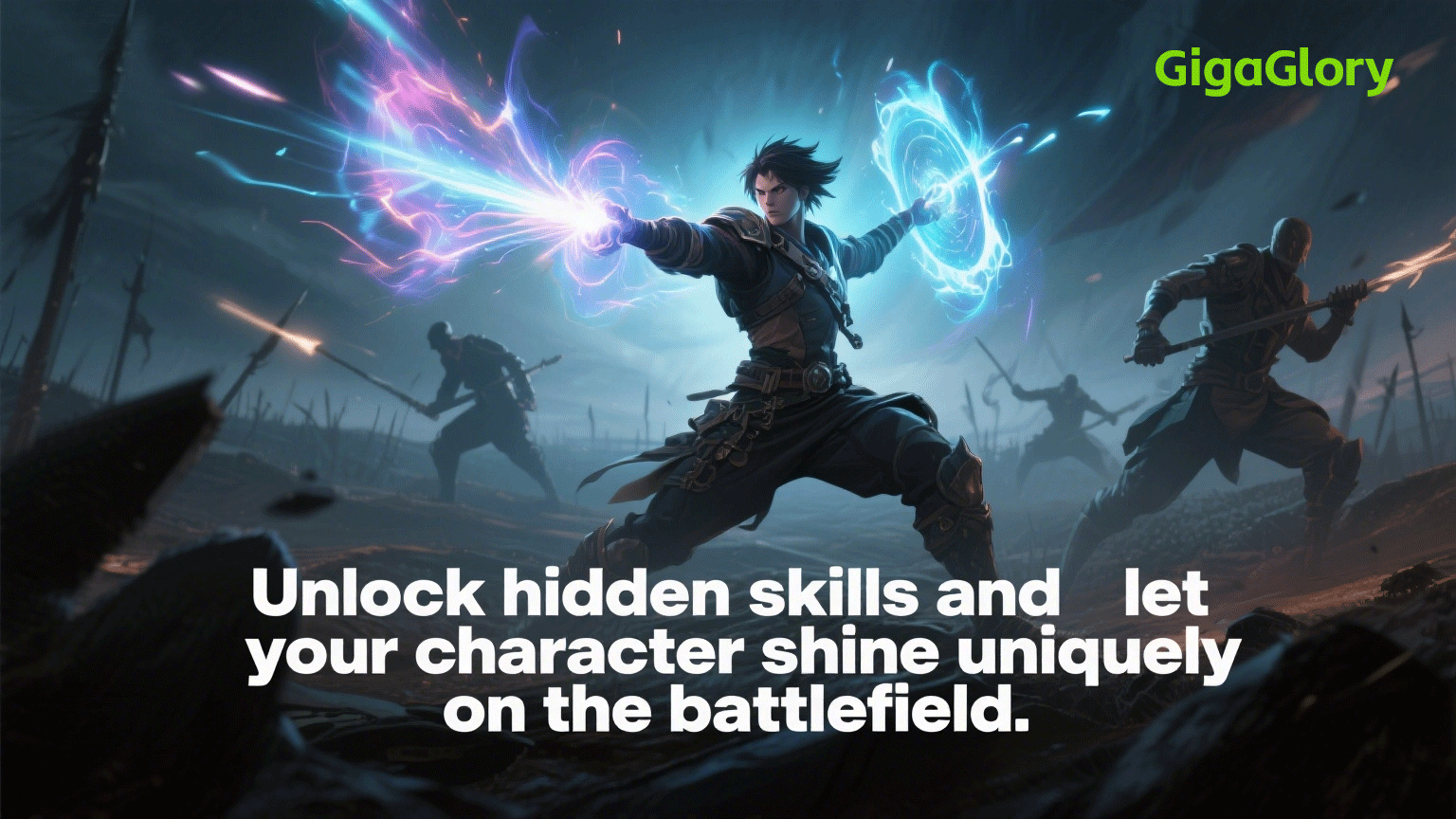
Why RPG Games Are Revolutionizing the Gaming Experience: A Deep Dive into Immersion and Storytelling
In recent years, RPG games have surged in popularity, captivating players across the globe. They have become a transformative force in the gaming industry, reshaping how players immerse themselves in virtual worlds. This article explores the reasons behind the RPG phenomenon and its impact on the gaming experience.
The Essence of RPG Games
RPG stands for Role-Playing Game, where players assume the role of characters in a fictional setting. Unlike traditional games, RPGs focus heavily on storytelling and character development, offering players a chance to experience narratives in-depth while making real-time decisions. These games provide a unique blend of strategy, creativity, and immersion that sets them apart from other genres.
Key Features of RPG Games
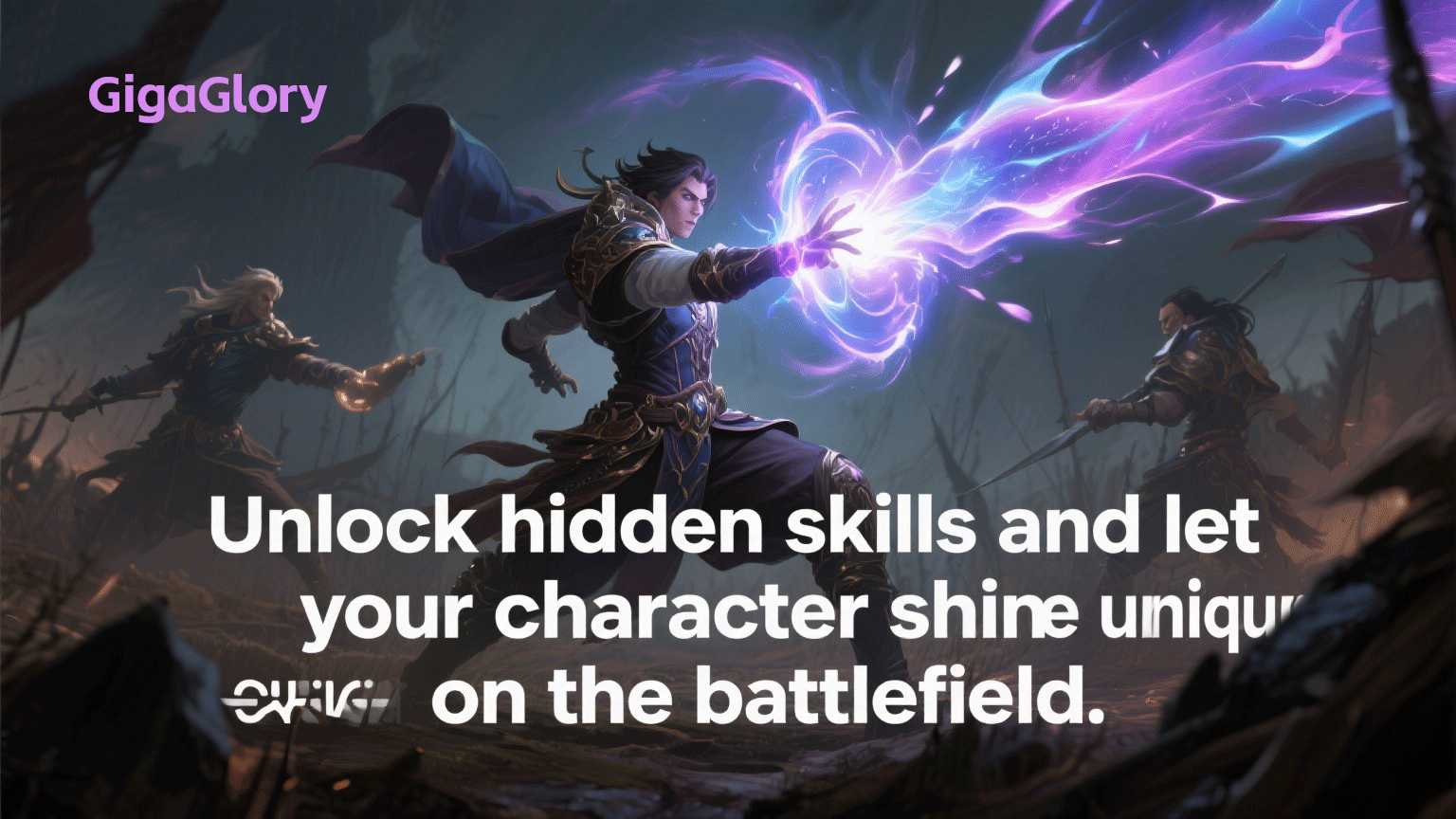
- Character Development: Players can craft their characters, choosing traits, skills, and appearances that reflect their personal preferences.
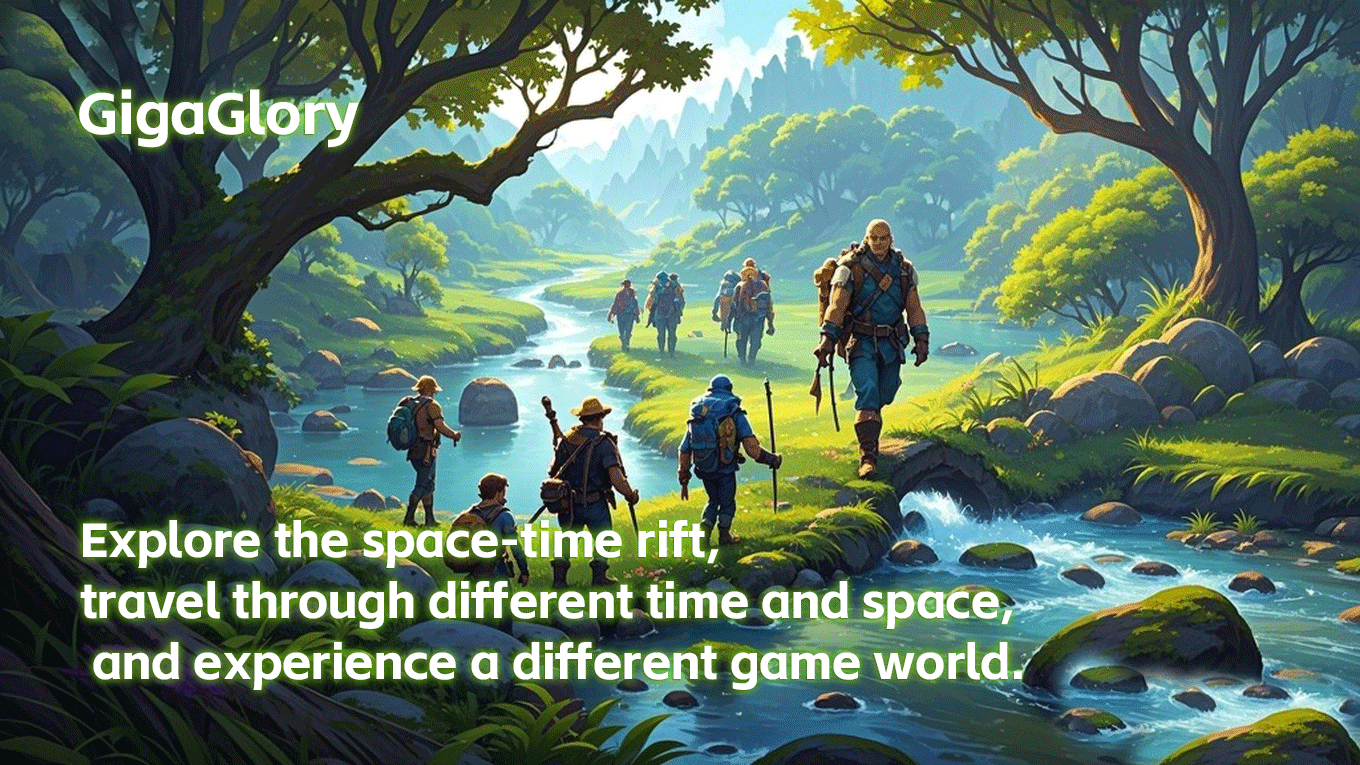
- Open World Exploration: Many RPGs feature massive worlds to explore, filled with quests, treasures, and NPCs (non-playable characters).
- Immersive Storytelling: Complex narratives and character arcs drive player engagement, pulling them deeper into the game.
- Choice and Consequence: Player decisions can significantly alter the game's outcome, enhancing replayability and personalized experiences.
The Role of Immersion in RPGs
Immersion is paramount in RPGs. The ability to lose oneself in a richly textured environment is what makes these games unforgettable. Leading titles in this genre create detailed worlds, integrating captivating visuals with intricate storylines and emotional depth.
The Evolution of Storytelling Techniques
RPGs have revolutionized storytelling in gaming through innovative techniques:
| Technique | Description |
|---|---|
| Branching Narratives | Players' choices lead to different narrative paths, creating unique experiences. |
| Character Backstories | Each character has a distinct history, influencing their motivations and actions. |
| World-Building | Detailed lore and history enrich the gaming experience, making the world feel alive. |
Impact on Player Engagement
The engagement level in RPGs is markedly higher compared to other genres. Players invest time in character relationships and story arcs, leading to emotional investments that drive them to complete the game. High-profile titles lead the curve in fostering these engrossing experiences.
Comparison with Traditional Gaming Models
When pitted against traditional games, RPGs offer a stark contrast. For instance:
- Linear Storylines: Traditional games often follow a straight path, while RPGs offer myriad directions.
- Static Characters: Characters in traditional games have predetermined traits, whereas RPGs provide dynamic growth.
- Lack of Player Agency: Players in many games can only follow existing plots as dictated by the developers.
The Rise of Multiplayer RPGs
The advent of online multiplayer RPGs has further expanded the genre's scope. Games like “Final Fantasy XIV” and “World of Warcraft” invite players to collaborate on quests, enhancing the social aspect of gameplay. This shared experience fosters community engagement as players strategize together.
Case Study: EA Sports FC 24 and RPG Elements
Even sports games are beginning to incorporate RPG elements to enhance player engagement. The latest release, EA Sports FC 24, available on platforms like the PlayStation Store, integrates character development and story-driven modes akin to traditional RPGs but saturated in a competitive sports theme.
Players' Perspectives: Why RPGs Matter
Feedback from players often highlights the depth of experience that RPGs offer. Many gamers cite the following reasons for their preference:
- Emotional Connections: Players form bonds with beloved characters.
- Unique Experiences: No two playthroughs are the same, thanks to the player-driven narrative.
- Intellectual Challenge: Crafting strategies and making decisions feels rewarding.
Challenges Facing the RPG Genre
Despite the numerous advantages, RPGs face their own set of challenges:
- Time Commitment: RPGs often require extensive hours of gameplay, which may deter some players.
- Complexity: New players might find the systems overwhelming.
- Stagnation Risk: As the genre evolves, there's a continuous risk of repetitive tropes that could disenchant audiences.
Future Prospects and Innovations in RPGs
The future of RPGs appears bright, with many developers exploring various innovative approaches. Technologies such as VR (Virtual Reality) and AR (Augmented Reality) are set to enhance immersion further. Additionally, incorporating more diverse narratives and representations will enrich the gaming world.
Conclusion
RPGs have transformed the gaming landscape by prioritizing immersion and storytelling. As they continue to evolve, these games not only engage players but also foster emotional connections. By offering choices that lead to interactive narratives, RPGs create rich, immersive worlds. With innovations on the horizon, the RPG genre is not just revamping gaming experiences; it's redefining how we engage with stories in interactive formats.